Gmail "Send mail as" ends January 2027: How to keep sending from your own domain
If you send email from your own domain through a free Gmail account, that setup has about two months left.
Practical advice on improving email deliverability, avoiding spam filters, and getting more messages into the inbox. We share tips, explanations, and best practices drawn from real-world sending.
If you send email from your own domain through a free Gmail account, that setup has about two months left.
If you’re reading this, something probably just stopped sending.
Short version. If you’re not Amazon, not running your own postmaster team, and your inbox placement matters to your customers, SMTP2GO is the safest default.
DMARC is a small text record you publish in your domain’s DNS that tells receiving mail servers what to do if a message claiming to be from your domain fails SPF or DKIM checks.

If your emails are landing in spam, the cause is almost always one of seven things: missing or misconfigured authentication, a damaged sender reputation, a high complaint rate, a dirty or purchased list, a brand-new or cold-warmed domain, a content or link pattern that trips filters, or an SMTP provider that’s quietly making things worse....
A transactional email is an automated message triggered by something a specific person did, or something that happened to their account, and it carries information they’re expecting or that they need to complete an action. Receipts. Password resets. Shipping updates. Two-factor codes.
The rules quietly changed in February 2024. If your unsubscribe guide is older than that, it’s giving you 2014 advice for 2026 inboxes.

Most email attachment size guides give you a number and call it done. The problem is that the number on the box isn’t the number that actually sends. Encoding adds weight, recipient servers have their own caps, and a 24 MB file can bounce off a 25 MB limit without ever reaching an inbox.

Transactional SMS is the text your customer gets the second something happens on their account. The shipping label is printed. The login attempt fires. The appointment is 30 minutes out. It’s automated, it’s triggered by an event, and it carries information the recipient actually wants. Marketing? That’s a separate animal with separate rules.
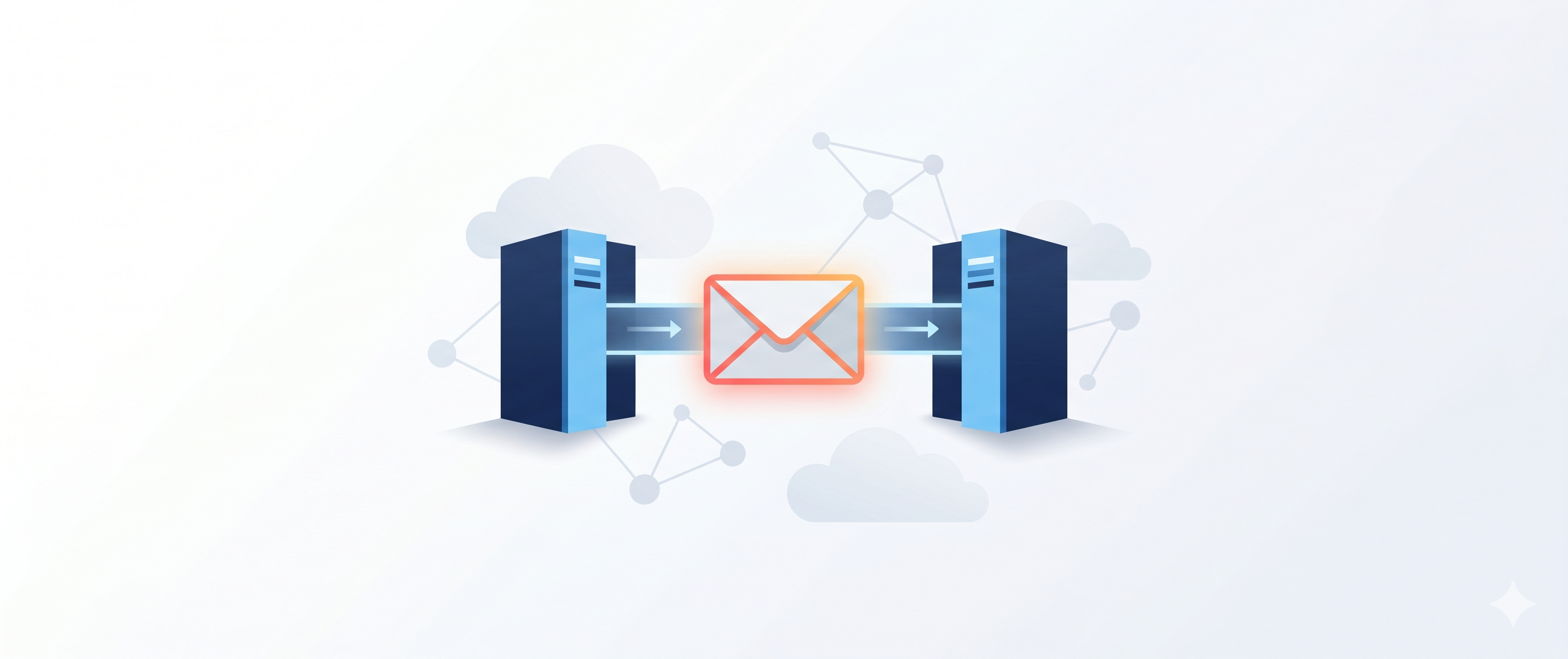
This guide is the one I wish existed when I started supporting SMTP customers in 2017. It explains what SMTP relay actually is, how it works step by step, when you genuinely need one, how to set it up without breaking your DNS, how to pick a provider without getting burned, and what tends to...

Email marketing remains one of the most effective ways to build customer relationships, but it also comes with serious compliance responsibilities. Between Europe’s GDPR, the United States’ CAN-SPAM Act, and Canada’s CASL legislation, marketers today need to understand far more than just open rates and click-throughs.

You’re scaling from a few thousand emails a day to fifty or a hundred thousand. Maybe more. You have a list, you have a sender domain, and you’d like the mail to actually reach inboxes. Here’s the version your future self wants you to have read before launching.

There’s a common belief in marketing that if you tell a great story, people will naturally buy. It sounds nice. It feels right. But in practice, it’s only half true. Storytelling captures attention. Storyselling drives action.
You leave the coffee shop, your phone drops off the Wi-Fi and onto T-Mobile data, and your mail client throws “Could not connect to SMTP server.”

You can have everything else in place - domain authenticated (SPF, DKIM, DMARC), a clean, opt-in mailing list, solid content - but still end up in spam.

With the explosion of messaging apps, collaboration platforms and social media, it’s easy to assume email is losing ground. When it comes to reliable communication, instant tools such as Slack, WhatsApp and Microsoft Teams promise faster, more immediate messaging - and in many cases, they deliver.
You hit send. The recipient never gets it. Back comes a wall of text with something like 550 5.7.26 buried in it. This page tells you what every code means and what to actually do about it. Bookmark it.

To send a correction email or not? We’ve all been there… You’ve spent hours crafting the perfect email: proofreading every word, testing every link and hitting send with TOTAL CONFIDENCE! But then, horror of horrors, you realize you’ve made a blunder.

You spend two days building a newsletter. Good copy, clean design, a list of 8,000 people who asked to hear from you. You hit send.

Email marketing is still one of the most powerful digital communication tools, but success hinges on a deceptively simple metric: open rates. Why do some emails get opened instantly while others are ignored or deleted? The answer lies in human psychology - specifically how we process curiosity, relevance, trust and timing.
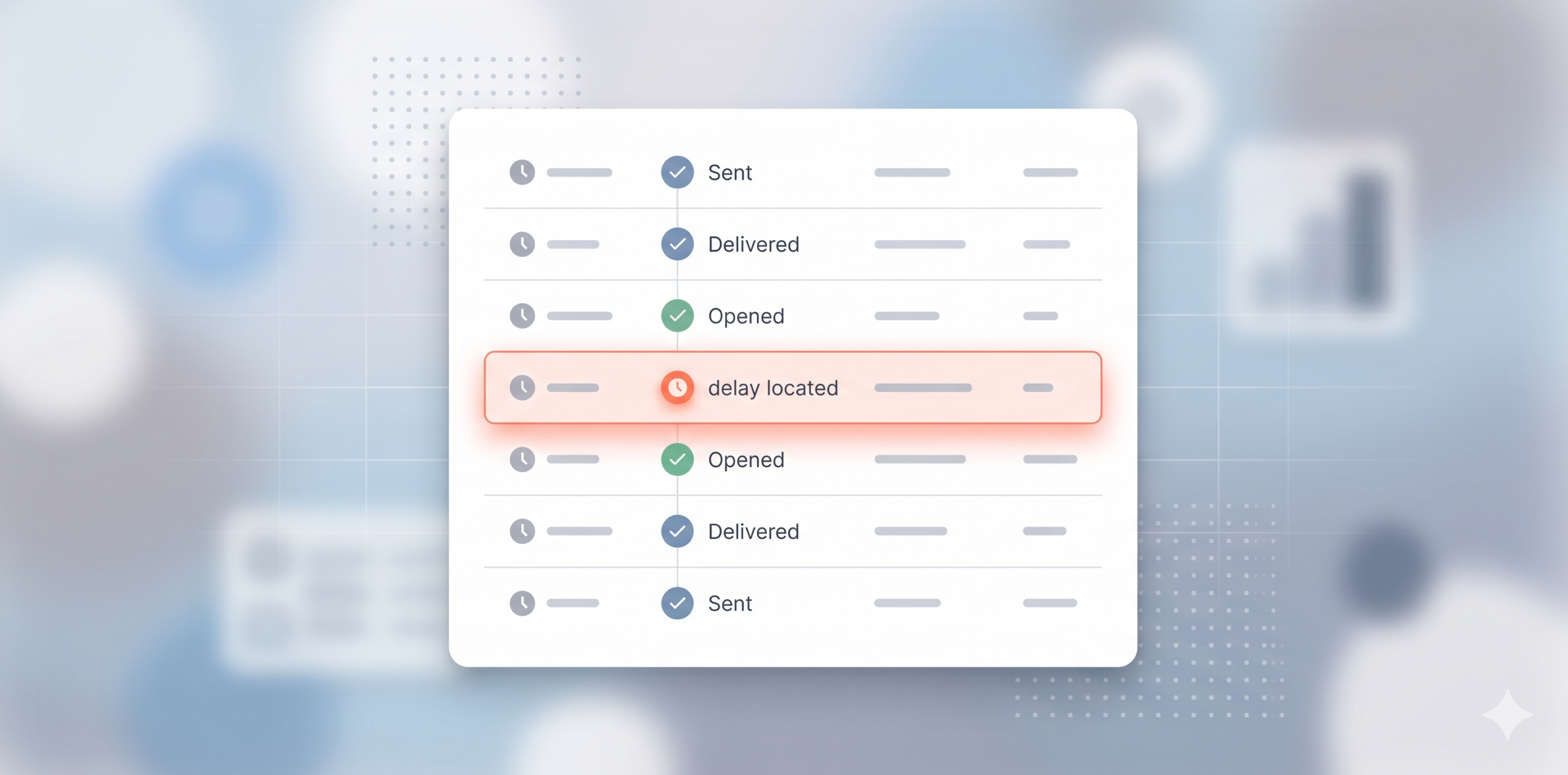
The short version: Most emails sent through a reputable provider land in seconds. But “slow” doesn’t always mean “broken.” A delay of a few minutes, or sometimes a few hours, can be completely normal depending on what’s going on at the receiving server. This guide shows you what counts as normal, what doesn’t, and exactly...
Get acquainted with our application while you apply. There's no extra cost to track all of your emails. Forget headaches with email delivery: